
Sports Injury Care for High School Athletes in Meridian, ID
Sports Injury Care for High School Athletes in Meridian, Idaho
When an injury starts changing how a teenager runs, throws, lifts or gets through practice, the next step should make the situation clearer.
Families may be wondering whether the athlete needs to stop playing, whether previous treatment has helped, or which provider should evaluate the problem. The goal is to understand the injury and the activity the athlete wants to return to before choosing care.
At Active Chiropractic Meridian, Dr. Anthony Cutting evaluates musculoskeletal concerns with an emphasis on the patient’s history, function and individual goals. Recommendations depend on the examination and whether the services available in the office are appropriate for the problem. Another provider may be the better next step.

Short Answer
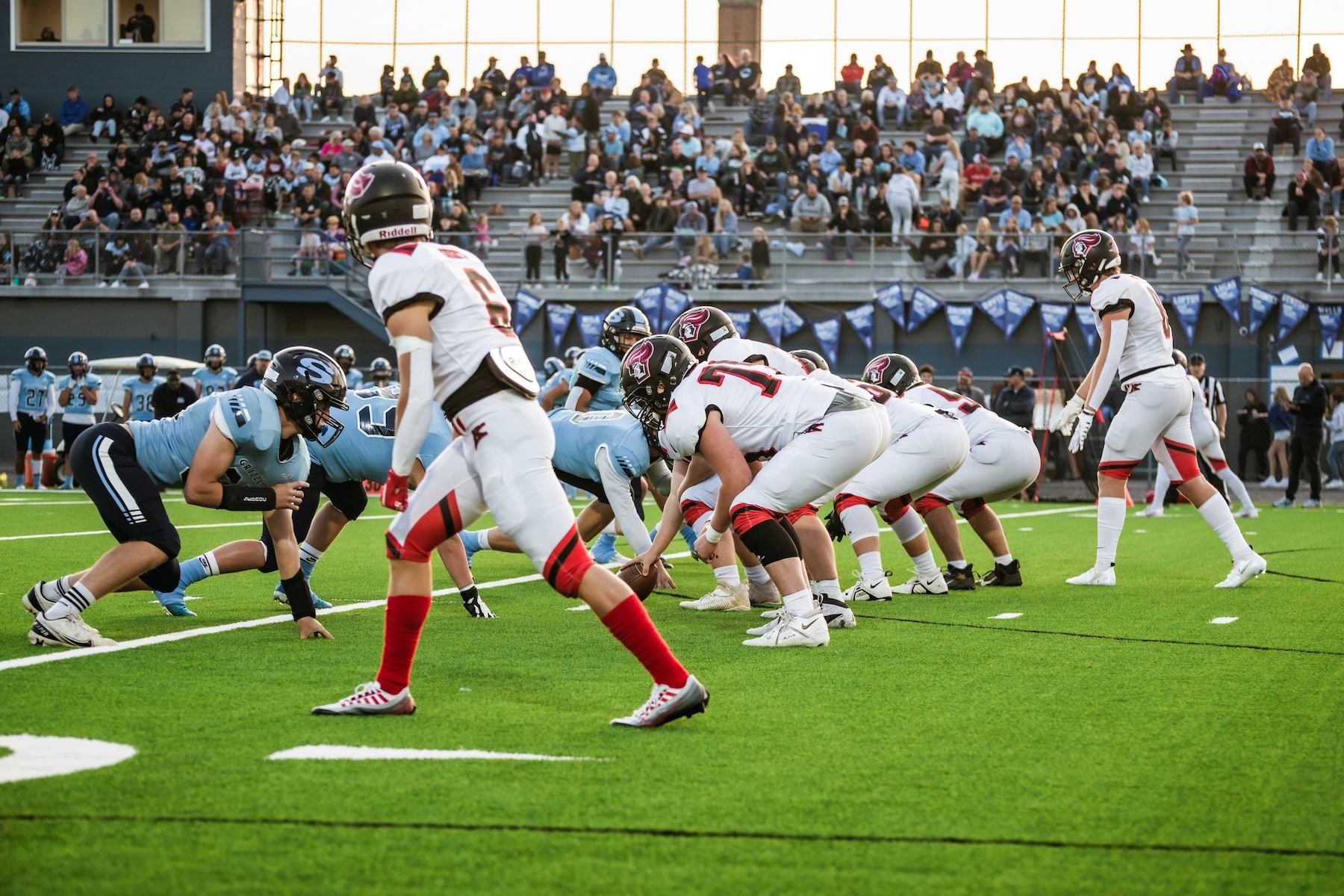
Sports injury care starts with an individual evaluation. A painful knee, shoulder, ankle or back does not automatically need the same treatment as another athlete’s injury. Active Chiropractic Meridian may consider conservative musculoskeletal care when appropriate, with recommendations based on the working diagnosis, age, function and relevant medical history. Suspected fractures, concussion and other urgent concerns need appropriate medical assessment.
Why The Right Sports Injury Diagnosis Matters
The location of pain is the beginning of the conversation. The history and examination help determine what that pain may represent and whether additional evaluation is needed.
An injury after a collision is a different situation from pain that gradually appears during a busy training schedule. A problem that affects normal walking deserves a different conversation from a question about returning to lifting after an established diagnosis. Neither situation should be reduced to a standard package of visits.
Dr. Cutting’s approach is to explain the findings, answer questions and discuss realistic next steps. The aim is a useful working diagnosis and a plan the patient understands. Families should also know when uncertainty remains and how that uncertainty will be addressed.
What Dr. Cutting Looks At During An Evaluation
The first visit begins with the patient’s story, goals and previous care. Relevant information may include:
- When the symptoms began and whether there was a specific injury
- The movements and daily activities that are difficult
- The athlete’s practice, competition and other training schedule
- Previous injuries, examinations or imaging
- Treatment already tried and what changed afterward
- Current instructions from a physician or athletic trainer
- Movement, function and other relevant examination findings
- The activity the athlete most wants to return to
Bring existing records when available. They help the evaluation build on what the family already knows. The purpose is not to repeat care simply because the problem has continued, but to decide which next step is reasonable.
Knee, Foot And Ankle Pain In A Growing Athlete
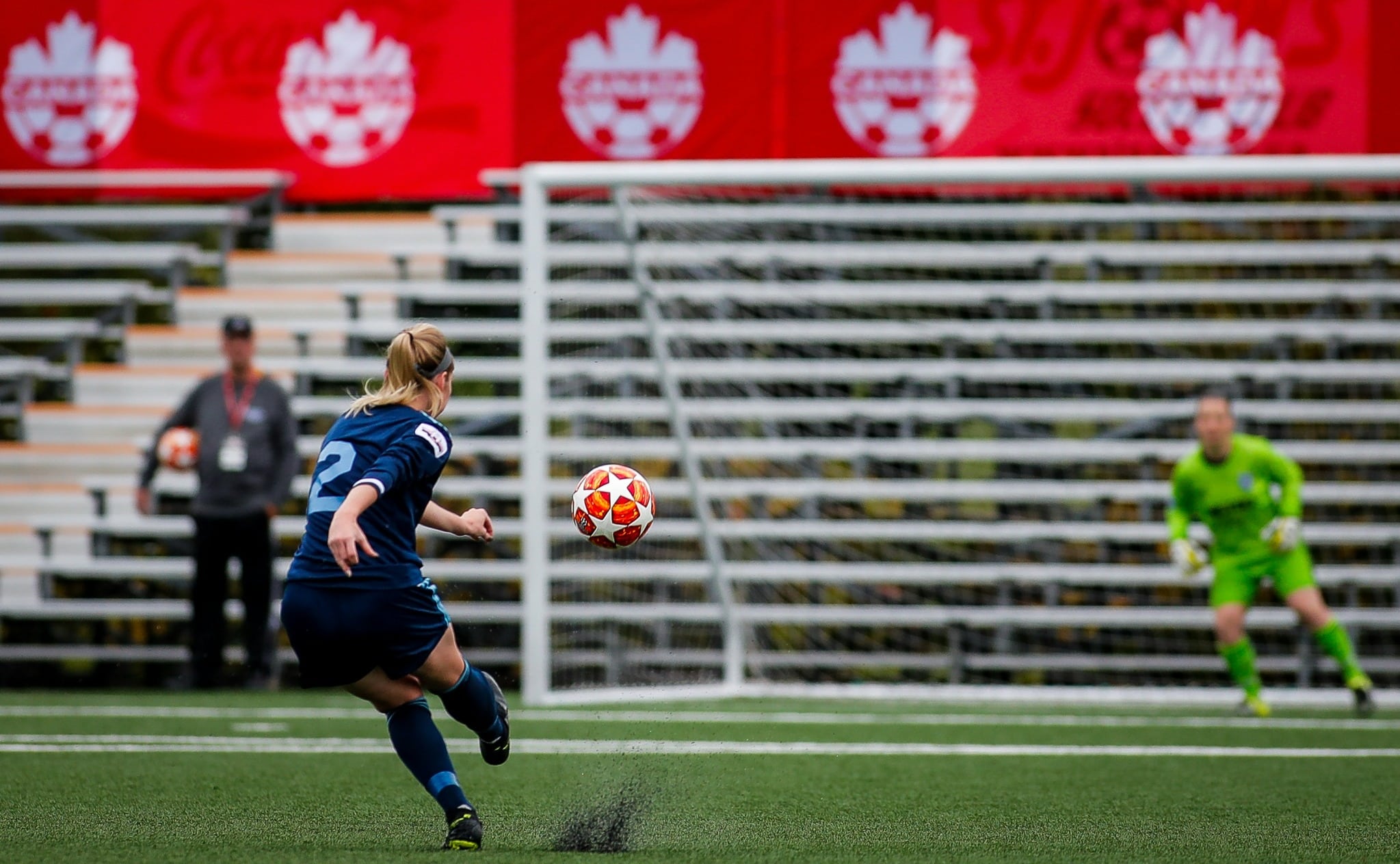
Running, jumping and changing direction place different demands on the lower body. Pain in these areas should be considered in the context of the athlete’s age, injury history and current function.
The American Academy of Orthopaedic Surgeons explains that overuse injuries in children can involve developing bone and growth areas as well as soft tissue. Persistent pain should be assessed rather than automatically labeled growing pains. AAOS: Overuse Injuries in Children
Tell the evaluating provider if the athlete has started limping, changed how they use stairs or stopped doing something normally. Those details can be more useful than saying the athlete has a high pain tolerance. They help explain what the problem means during an ordinary day.
The appropriate treatment and activity advice depend on the diagnosis. An adult arthritis recommendation should not be carried over to a teenager with knee pain simply because the painful joint is the same.
Shoulder And Elbow Pain With Throwing, Swimming Or Lifting
Pain during an overhead activity can raise questions about strength, movement and the demands being placed on the arm. It does not identify one particular injury on its own.
For a young athlete, the history should include changes in throwing, lifting or other repetitive activity, along with the symptoms that caused the family to seek help. AAOS describes growth-related shoulder and elbow problems among the overuse injuries seen in children. These need diagnosis-specific management. AAOS guidance
Active Chiropractic Meridian’s shoulder evaluation page explains the general importance of considering motion, strength and previous care. The examples there are not a treatment protocol for a growing athlete. Age and the individual examination remain part of the decision.
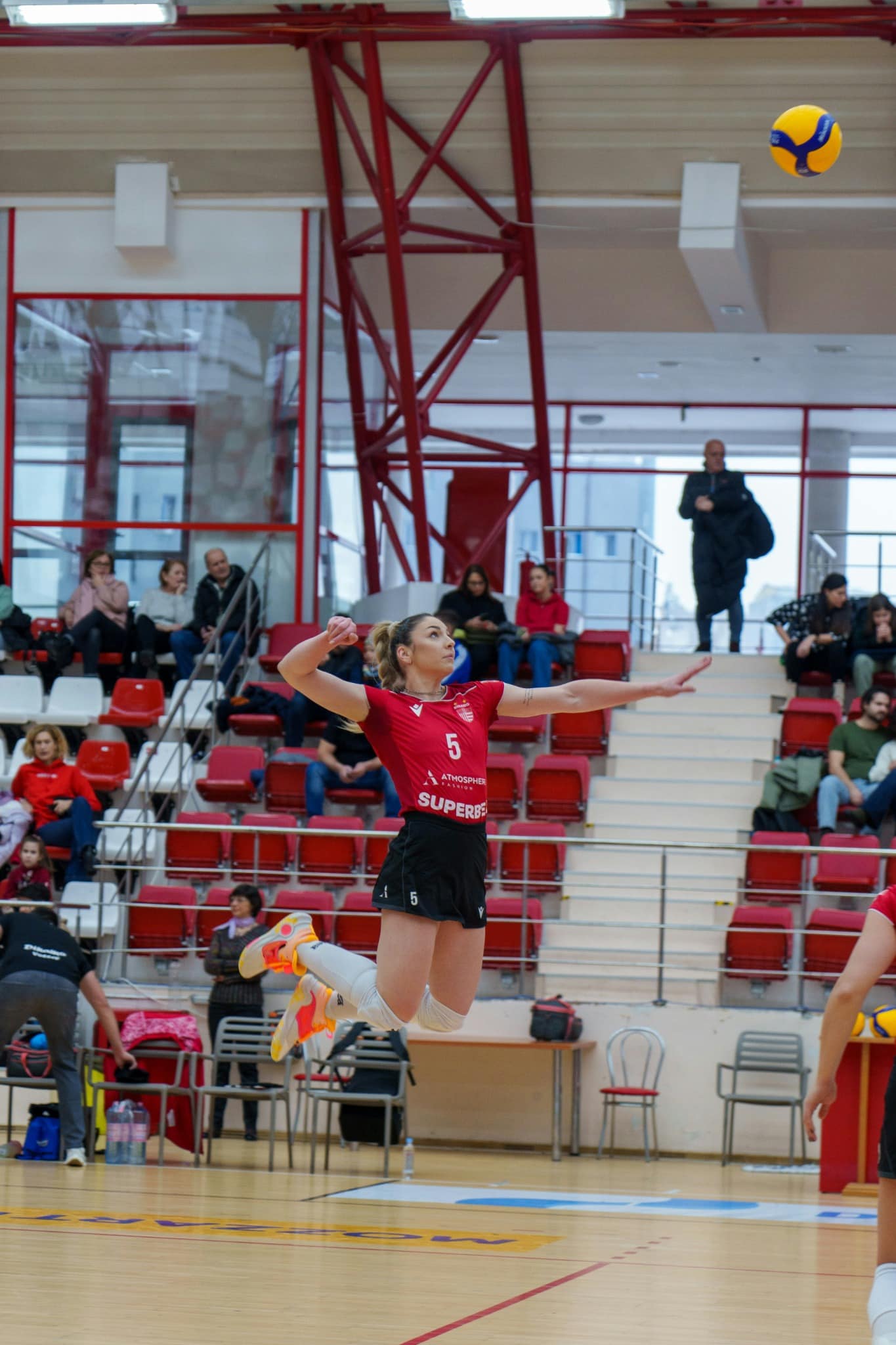
Back, Hip And Neck Symptoms During Sport
An athlete may describe discomfort during running, lifting, prolonged sitting at school or a particular sport movement. The useful starting point is to explain when the symptoms occur and what has changed.
Dr. Cutting may evaluate relevant movement and musculoskeletal findings as part of the individual examination. The goal is to decide whether care available at the practice is appropriate and whether another evaluation is needed. The presence of pain in more than one area does not establish that one hidden cause explains everything.
Neck symptoms after a collision should be described as part of the injury history, particularly if headache, dizziness or other head-injury concerns are present. Those symptoms should not simply be folded into a routine sports-care visit.
Training Demands And Recovery Are Part Of The History
The athlete’s schedule is useful clinical information. School practice, a club team, lessons and extra conditioning may all be part of the same week, even when different adults supervise each activity.
The American Academy of Pediatrics emphasizes the relationship between training demands and recovery in young athletes. Its guidance supports balancing participation with rest and taking symptoms seriously. The presence of a busy schedule does not prove why an individual athlete is hurting, but it is relevant information to share. AAP guidance
For a fuller discussion, read how to think about a high school athlete’s training week. Bring that schedule to the appointment along with the athlete’s own description of the problem.
What If Rest Or Previous Treatment Did Not Resolve The Problem?
Previous care is information, not something to disregard. The family should be able to explain what was tried, what improved, what did not change and what happened when activity resumed.
Dr. Cutting’s established approach is to consider the patient’s history and response before making recommendations. An evaluation may help clarify whether the working diagnosis needs review, whether the goal has changed or whether the next step should involve another provider.
The practice does not claim that another treatment failed because a hidden problem was missed. It also does not promise that adding a different service will solve the issue. The decision should be tied to the athlete’s current findings and needs.
Does An Athlete Always Need Imaging?
No single imaging rule applies to every sports complaint. The evaluating provider determines whether an X-ray or another study is needed based on the injury and examination. Suspected growth-plate fractures are one example in which imaging and timely medical assessment may be important. AAOS: Growth Plate Fractures
If imaging has already been performed, bring the report and information about where it was obtained. A family should not have to decide which test to request before arranging an evaluation. Ask what question an additional test would help answer and how it could affect the next step.
What Conservative Sports Injury Care May Include
Depending on the diagnosis and individual evaluation, a plan at Active Chiropractic Meridian may include chiropractic care, soft-tissue treatment, rehabilitation and movement-based care.
Shockwave Therapy and Class IV Laser are also available at the practice. They are not automatic treatments for young athletes. Age, the area being treated, diagnosis-specific evidence and relevant precautions matter. Their availability should not be interpreted as a recommendation for growth-plate injuries, fractures or concussion.
The family should understand what each proposed service is intended to address, what reasonable expectations are and how the response will be reviewed. An appropriate plan may also include referral. Visit the services page for general information about the practice’s services.
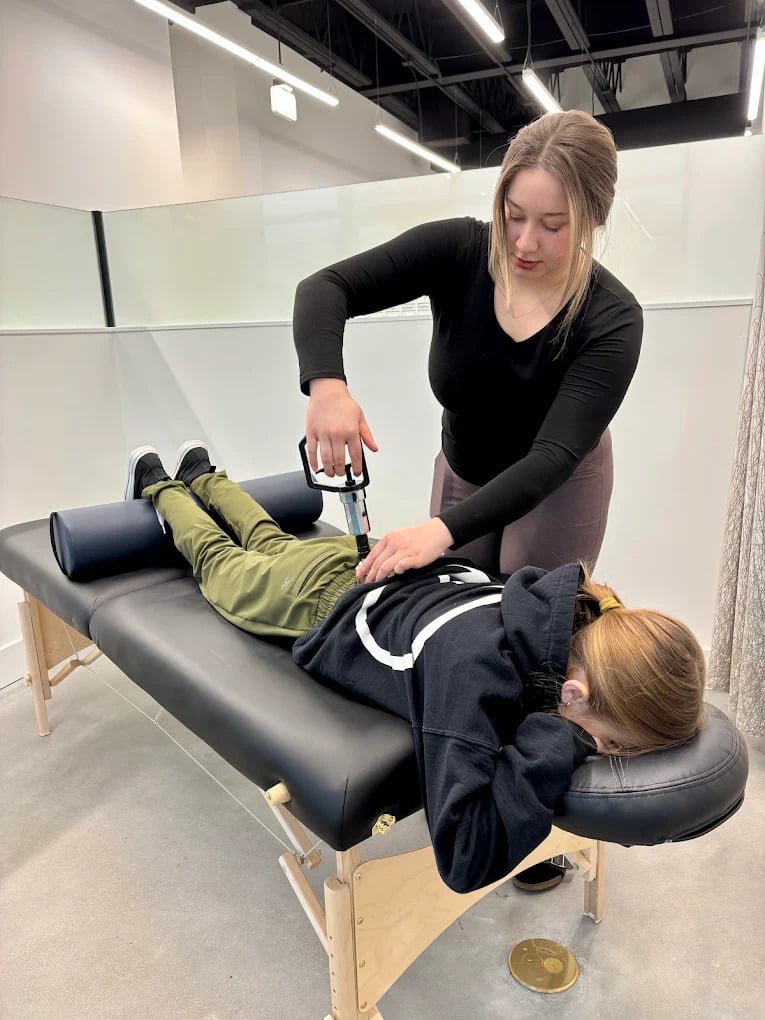
Progress Is About Function As Well As Symptoms
Dr. Cutting’s care philosophy emphasizes what the patient wants to regain. That gives the conversation a practical focus beyond a pain number alone.
For an athlete, progress should be discussed in relation to the diagnosis and current activity instructions. The family should know what is being reassessed and who is responsible for decisions about participation. Feeling more comfortable during daily life is not automatically the same as being ready for the full demands of sport.
Ask when the plan will be reviewed and what changes should prompt earlier contact. School requirements and medical restrictions continue to apply. This page does not offer sports-physical or return-to-play clearance services.
When A Sports Injury Needs More Urgent Medical Attention
An obvious deformity, inability to use a limb or bear weight, severe pain or significant swelling after injury calls for prompt medical assessment. A suspected fracture should not wait for routine conservative treatment. AAOS fracture guidance
A suspected concussion requires removal from sport and medical evaluation, with no return that day. Emergency danger signs after a head injury include worsening headache, repeated vomiting, seizures, increasing confusion, weakness, slurred speech or difficulty waking. Call 911 or go to an emergency department for these signs. CDC HEADS UP
Ongoing concussion symptoms should be followed by the healthcare provider managing the injury. The practice’s concussion follow-up article is educational and does not substitute for that care.
Why Families Consider Active Chiropractic Meridian
Dr. Anthony Cutting owns and provides care at the practice. His approach begins with listening, explaining the findings and connecting recommendations to the patient’s goals.
Families can expect a discussion about whether the practice is an appropriate fit. Plans are individualized, and another provider is recommended when that is the more reasonable option. The office does not promise an injury-free season, a specific recovery date or avoidance of surgery.
An athlete’s priorities matter, but so does understanding the reason behind the recommendation. The aim is for the patient and family to leave with a clearer sense of what comes next.
Sports Injury Care In Meridian, Idaho

Active Chiropractic Meridian is located at 2145 E. Fairview Ave, Suite 140, Meridian, ID 83642, on Fairview between Eagle and Locust Grove.
Call 208-593-2001 to discuss whether an evaluation for your athlete’s musculoskeletal concern may be appropriate. Tell the office about a recent injury, existing diagnosis, medical restrictions or concussion symptoms when arranging the appointment.
Bring relevant records and the activity the athlete wants to return to. The first step is understanding the situation and deciding what type of care makes sense.
FAQs
Does Active Chiropractic Meridian see high school athletes?
Yes. High school athlete sports injuries are among the practice’s stated care priorities. Whether the office is appropriate for a particular concern depends on the diagnosis and individual evaluation. Call to describe the problem, especially if there is a recent injury or an existing medical restriction.
Does every sports injury need an adjustment?
No. A sports injury is not one diagnosis, and the examination should guide the recommendation. Care may involve a service available in the practice, additional evaluation or referral. An adjustment should not be assumed to be appropriate simply because an athlete has pain.
Can we arrange an evaluation while following another provider's plan?
Tell the office about that plan when booking and bring the relevant instructions. Existing restrictions and medical advice should be shared, not ignored. An additional evaluation should clarify its purpose and how any recommendation fits with the care already being provided.
Are Shockwave Therapy and Class IV Laser recommended for every athlete?
No. The practice offers these services, but suitability depends on the diagnosis, age, treatment area and precautions. This page does not recommend either treatment for all teen injuries or for concussion. Ask what a proposed service is intended to address and why it is appropriate.
What if my teenager still has symptoms after a concussion?
Contact the healthcare provider managing the concussion for follow-up and guidance. An accompanying musculoskeletal concern does not replace the need for that assessment. Emergency danger signs require urgent medical care. This page does not provide a concussion treatment plan or clearance to return to sport.
How many visits will a sports injury require?
That depends on the findings, goals and response to care. Dr. Cutting provides individualized recommendations after evaluation. The family should understand the proposed purpose of care, when progress will be reviewed and when another approach or provider may be appropriate.