
Shockwave Therapy in Meridian, ID
Shockwave Therapy Starts With An Individual Evaluation
When a painful area keeps changing how you walk, lift, work, or play, you may want to understand whether another conservative option is worth discussing.
Active Chiropractic Meridian offers Shockwave Therapy as one of several tools that may be considered after an individual evaluation. Dr. Anthony Cutting starts with your history, the function you want to regain, and a working diagnosis before recommending care.
Schedule an evaluation or call 208-593-2001.
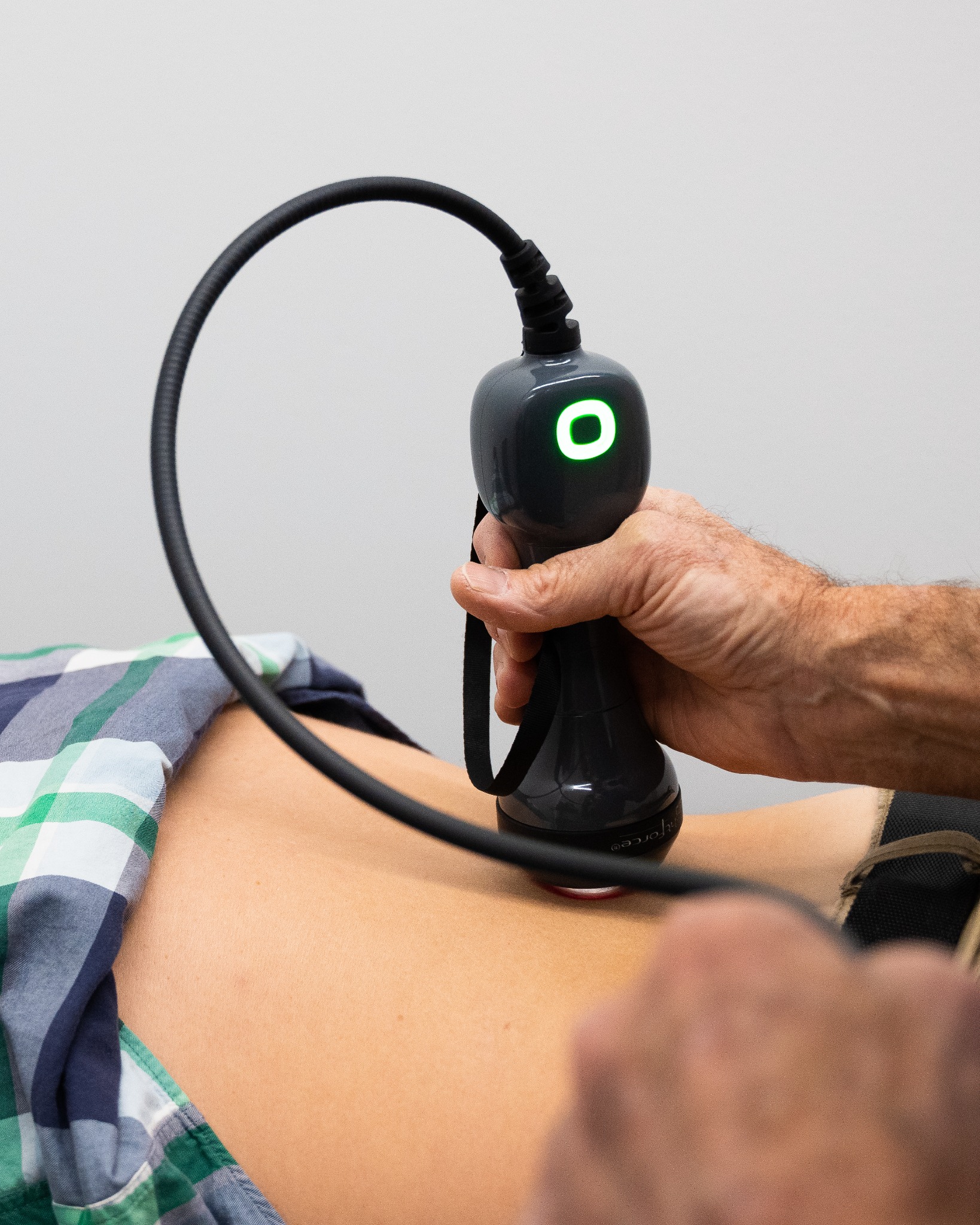
Short Answer
Shockwave Therapy applies mechanical pressure waves to a treatment area. Whether it may be appropriate depends on the diagnosis, treatment method, evidence, health history, and individual evaluation. It is not a treatment for every painful joint, tendon problem, or sports injury.
Start With The Activity That Matters To You
An evaluation becomes more useful when you can explain what the problem is keeping you from doing. That may be walking a familiar route, carrying bags, reaching overhead, working, or returning to exercise.
Dr. Cutting connects the discussion of care to those goals. Recommendations should clarify both the clinical findings and what progress would mean for you.
What Shockwave Therapy Is
The term shockwave therapy is commonly used for treatments that deliver mechanical energy through an applicator at the skin. Focused shockwaves and radial pressure waves have different physical properties, as described by the International Society for Medical Shockwave Treatment.
A treatment’s name alone does not tell you which device or protocol is appropriate. Ask how the proposed method relates to your diagnosis and what the available evidence can reasonably tell you.
Symptoms Need A Diagnosis Before A Treatment
A painful shoulder or heel is a symptom description, not a complete diagnosis. An evaluation helps determine whether the suspected tissue and condition fit the history and findings.
For shoulder concerns, see shoulder pain, frozen shoulder, and rotator cuff care. Families seeking an evaluation for a teenager can review sports injury care in Meridian. Neither page means Shockwave Therapy is indicated for every person in those groups.
Why The Evidence Needs To Match The Condition
Shockwave research differs by diagnosis, device, treatment protocol, and outcome. A study about one tendon should not be treated as evidence for every painful area.
For example, NICE guidance for Achilles tendinopathy describes uncertainty about effectiveness. Its calcific shoulder guidance recommends use only in research because effectiveness evidence is inadequate. These are UK recommendations, rather than Idaho practice rules, and illustrate why the limits of the evidence belong in the discussion.
Shockwave Therapy should not be described as guaranteed tendon regeneration, a cure for arthritis, or a way to ensure surgery can be avoided.
What Dr. Cutting Reviews
Your evaluation begins with the problem’s history, what you have tried, and the activity you want to return to. The examination and any additional assessment depend on the concern.
Dr. Cutting explains the findings, discusses whether the services available in the office fit the problem, and gives realistic expectations. If another provider is more appropriate, he recommends that next step.
How It May Fit With Other Care
Depending on the diagnosis and evaluation, a plan may include rehabilitation and movement-based care, soft-tissue treatment, chiropractic care, Shockwave Therapy, or Class IV Laser.
Every recommended component should have a reason. Offering several services does not mean every patient needs all of them or that combining them guarantees a better outcome.

Shockwave Therapy And Class IV Laser Are Different
Shockwave and radial pressure-wave treatments use mechanical energy. Laser therapy uses light energy. They are not interchangeable, and the better next step cannot be determined from the treatment names alone.
Ask what evidence supports the proposed option for your diagnosis, what alternatives exist, and how the recommendation will be reviewed. Active Chiropractic Meridian’s services overview describes the available care options.
Previous Treatment Is Useful Information
If symptoms continue after physical therapy, an injection, massage, or another treatment, bring the details. What improved and what remained difficult help make the evaluation more specific.
Continued symptoms do not prove that previous care was wrong. They are a reason to reassess the working diagnosis, response to care, and next-step options.
Safety Screening Comes Before Treatment
Shockwave Therapy is not appropriate for everyone. Screening depends on the technique, treatment area, medical history, and device requirements.
Tell the clinician about relevant health conditions, pregnancy, implanted devices, medications, and recent procedures. ISMST lists contraindications that vary with the treatment field and energy level. This page does not replace clinical screening or determine your eligibility.
Ask What To Expect Before You Agree
Your provider should explain the proposed treatment, potential discomfort and risks, alternatives, costs, and how the plan will be reassessed. Visit frequency and duration should come from the individual recommendation rather than a promise on a website.
Contact the clinician if symptoms worsen or change unexpectedly. Do not assume that increased pain means treatment is working.
Progress Should Be Connected To Function
Discuss what you want to be able to do and how improvement will be checked. That may involve a specific activity, examination findings, or another measure chosen for your situation.
If care is not helping, the recommendation may need to change. A referral or surgical evaluation can be appropriate. Conservative care cannot promise that surgery will be prevented.
Some Changes Need Prompt Medical Care
A sudden injury with a pop, new weakness, or substantial loss of function should receive prompt medical evaluation. For example, AAOS describes these symptoms in Achilles tendon tears.
Do not delay needed medical or orthopedic care while exploring an office treatment. If you are unsure how urgently to be seen, contact a medical professional for guidance.
Visit Active Chiropractic Meridian

The office is located at 2145 E. Fairview Ave, Suite 140, Meridian, ID 83642, on Fairview between Eagle and Locust Grove.
Bring relevant imaging reports, details of previous care, and the activity you most want to return to. You can discuss whether conservative care may be appropriate before committing to a specific treatment.
Contact Active Chiropractic Meridian or call 208-593-2001.
FAQs
Do you offer Shockwave Therapy in Meridian?
Yes. Active Chiropractic Meridian offers Shockwave Therapy at its Meridian office. Dr. Cutting determines whether it may be appropriate based on the diagnosis, individual evaluation, relevant evidence, and health history.
Can I choose shockwave without an evaluation?
The recommendation should begin with an evaluation. Symptoms alone do not establish a diagnosis or determine whether Shockwave Therapy is appropriate. Contact the office to discuss the concern and next steps.
Is Shockwave Therapy appropriate for every shoulder problem?
No. Shoulder stiffness, tendon symptoms, tears, arthritis, and neck-related pain can require different decisions. Evidence for one diagnosis should not be generalized to every shoulder condition.
Is shockwave a replacement for rehabilitation?
It should not automatically replace appropriate rehabilitation. Depending on the diagnosis, exercise and movement-based care may have an important role. Ask how each recommended treatment contributes to the plan.
How many visits will I need?
That depends on the evaluation, proposed treatment, goals, and response. Dr. Cutting explains the recommendation and how progress will be reviewed. This page does not promise a visit count or recovery time.
Can Shockwave Therapy keep me from needing surgery?
That cannot be promised. Conservative care may be considered in selected situations, but another provider or surgical evaluation may be the more appropriate next step. Dr. Cutting recommends referral when appropriate.
Sources
- ISMST: Physical principles of ESWT
- ISMST: Indications and contraindications
- NICE HTG426: Achilles tendinopathy recommendations
- NICE HTG645: Calcific shoulder tendinopathy recommendations
- AAOS OrthoInfo: Achilles Tendon Rupture
This page is educational and does not establish an individual diagnosis or treatment recommendation.